Adult Neurogenesis: Can Your Brain Really Grow New Neurons?
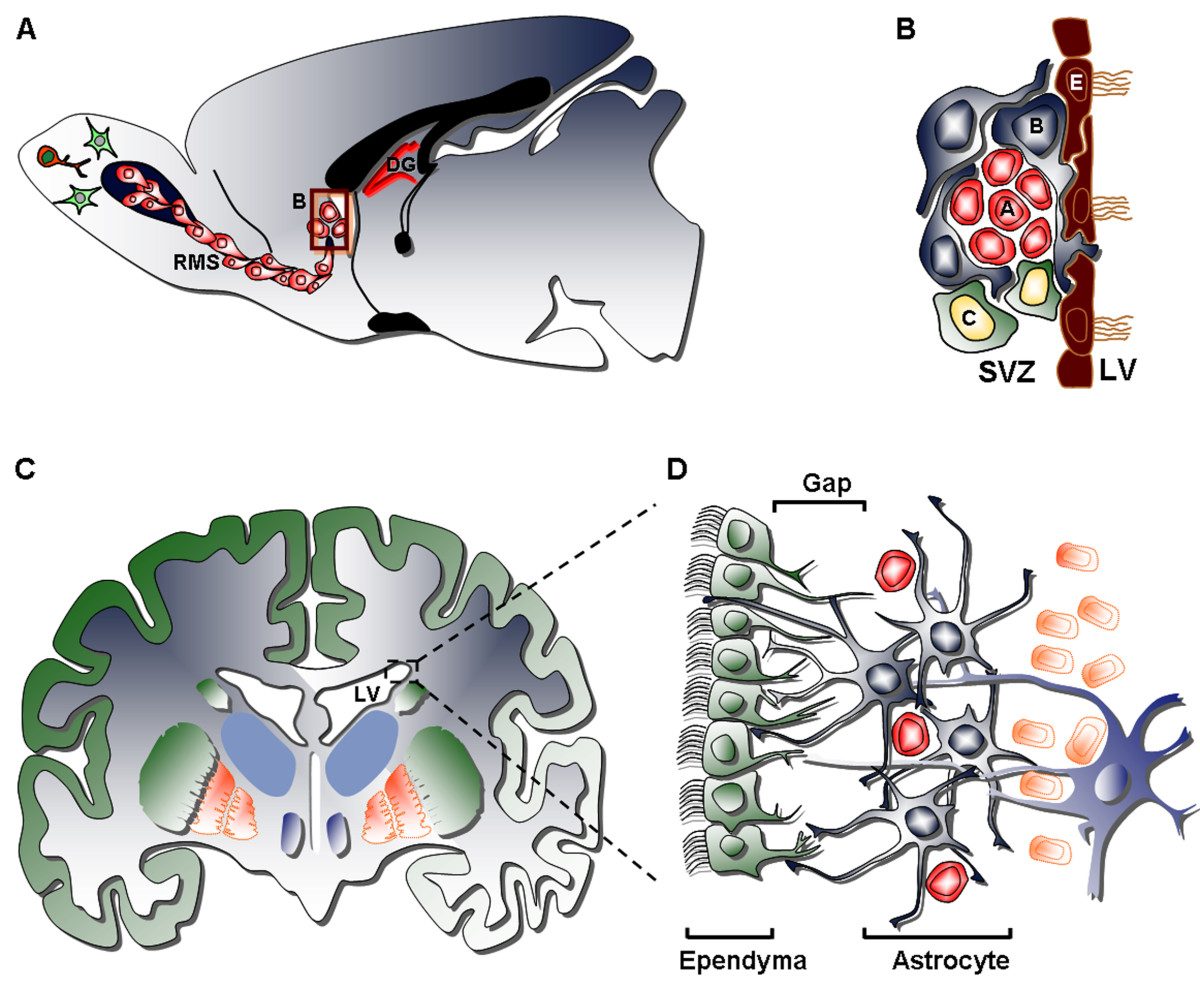
Adult neurogenesis — the birth of new neurons in the mature brain — is one of the most energetically debated questions in modern neuroscience 1. For most of the 20th century, scientists believed that the brain you were born with was all you would ever have, and that new neurons stopped forming shortly after birth 2. Beginning in the 1980s, evidence in adult animals and humans challenged that view, pointing to the hippocampus — the brain's learning and memory center — as a site of ongoing neuron formation 2. Today the honest scientific picture is nuanced: evidence supports a low-level, variable process that persists into adulthood, but its true scale and importance remain genuinely uncertain 3.
What Is Adult Neurogenesis?
Adult neurogenesis refers to the generation, maturation, and integration of new neurons in the adult brain 1. It stands in contrast to the long-held dogma that neuron production ceases early in life 2. In mammals, the process is best documented in a specific region of the hippocampus called the dentate gyrus, a structure central to forming new memories 3. The discovery that this "neurogenic niche" might exist in the adult human brain was considered a landmark — and immediately controversial — finding in neuroanatomy 3.
How Did Scientists Change Their Minds?
The shift began in the 1980s, when researchers found solid evidence that new neurons continued to form in some brain regions of many adult animals 2. Over the following decades, techniques such as labeling dividing cells and carbon-14 radiocarbon birth-dating of neurons suggested that the adult human hippocampus produces new cells throughout life 3. This raised an exciting possibility: if the brain can generate neurons in the region most tied to memory, that process might one day be harnessed to treat disorders like Alzheimer's disease 2. The hope helped drive decades of intensive research 2.
Why Is Adult Neurogenesis So Debated?
As evidence accumulated, so did conflicting findings about how many new neurons the adult brain makes and when production stops 2. The disagreement crystallized in 2018, when two high-profile studies were published within weeks of each other reaching opposite conclusions 2. One, led by Maura Boldrini at Columbia, reported that hippocampal neurogenesis persists in people aged 70 and older 2. The other concluded that very few new neurons form after adolescence 2. Much of the conflict traces to methodology — different markers and tissue-analysis techniques can produce very different results 3.
What Does the Evidence Actually Show?
The most careful recent reviews favor a middle-ground interpretation 3. Multiple lines of evidence — including radiocarbon dating and improved cell-labeling — are consistent with new neurons persisting into adulthood 3. However, the process does not appear to occur at the robust, high-volume scale seen in rodents 3. In short, adult human neurogenesis is probably real but modest: a low-level, variable phenomenon whose exact magnitude and functional role are still being worked out 3. Researchers stress that large-scale studies using newer genomic tools are needed to settle the question 1.
Does Adult Neurogenesis Affect Memory?
If new neurons do form in the adult hippocampus, they may contribute meaningfully to how the brain works 3. Animal studies suggest adult-born neurons help fine-tune hippocampal activity in ways important for memory formation and cognitive flexibility 1. This is why the topic matters beyond the laboratory: even a small number of new, well-integrated neurons could support learning and resilience to stress 1. Establishing a firm causal link between adult-born neurons and specific cognitive functions in humans remains a key goal for future research 3.
What Affects Adult Neurogenesis?
Research, much of it in animals, points to several factors that influence neuron formation 1. Aging is a major one: it pushes the pool of neural stem cells into a dormant state and reduces their ability to produce and sustain new neurons 1. Other lifestyle and physiological factors — including exercise, stress, and overall brain health — have been studied as potential modulators 1. These findings are promising, but because much of the strongest data comes from animal models, claims about boosting human neurogenesis should be treated with appropriate caution 3.
Related fact-checks on this site: [Bryan Johnson Blueprint](https://innumbra.com/post/bryan-johnson-blueprint-fact-check) and [Resveratrol Longevity](https://innumbra.com/post/resveratrol-longevity-fact-check).
Frequently Asked Questions
Can adults grow new neurons? Evidence suggests the adult brain can form some new neurons, mainly in the hippocampus, but the scale is debated 1.
Why is adult neurogenesis controversial? Two major 2018 studies reached opposite conclusions, largely due to different methods 2.
Where does adult neurogenesis occur? Primarily in the dentate gyrus of the hippocampus, the brain's memory center 3.
Does adult neurogenesis help memory? Possibly — animal studies link adult-born neurons to memory and cognitive flexibility 1.
Does aging reduce adult neurogenesis? Yes. Aging appears to reduce the formation and survival of new neurons 1.