Do Cold Plunges Work? Fact-Checking the Ice Bath Trend
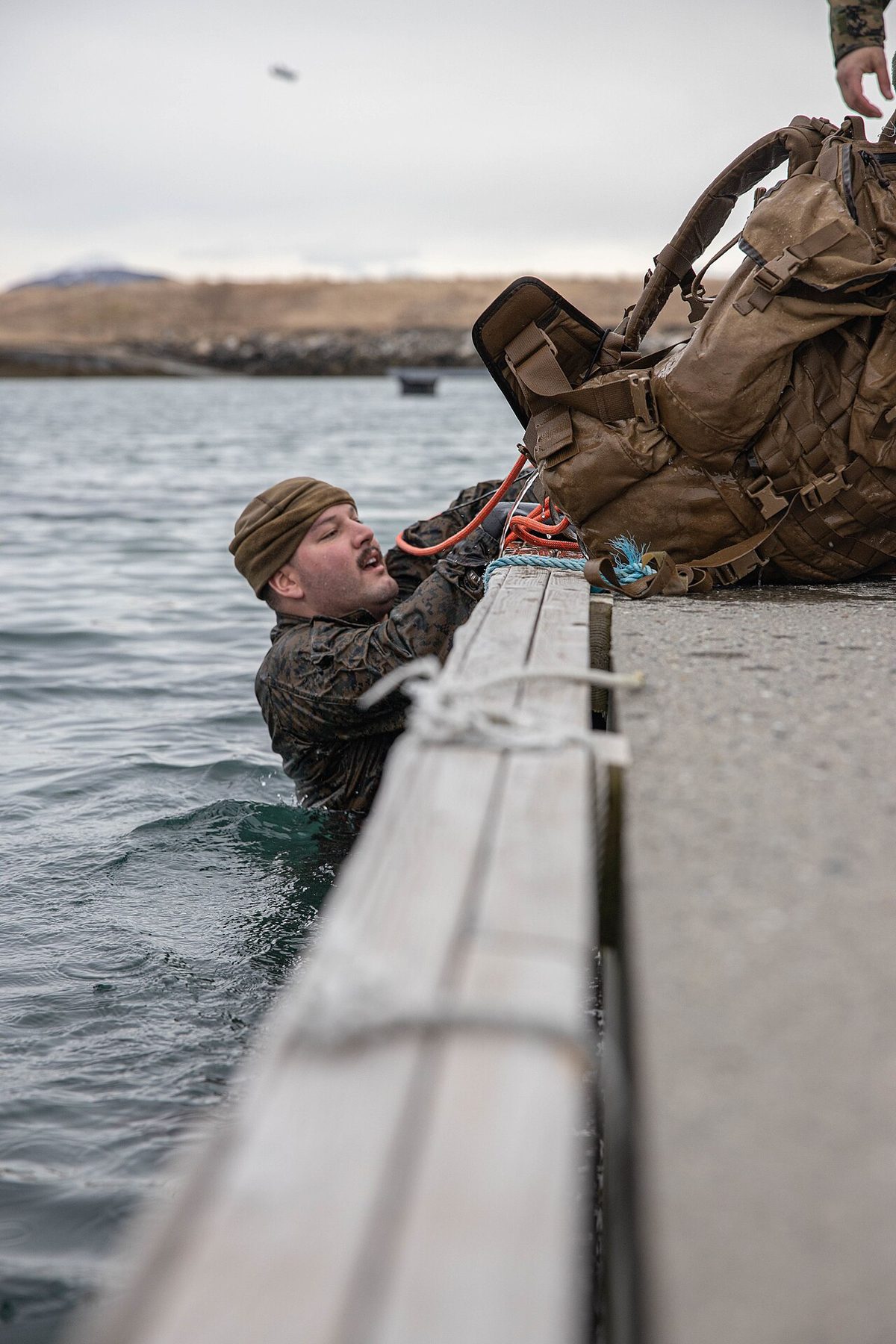
Ice baths and cold plunges have gone from an athlete's recovery tool to a mainstream wellness obsession, with enthusiasts crediting cold water immersion for faster recovery, fat loss, stronger immunity, and better mood 2. The science is genuinely mixed: cold plunges do have real, modest benefits — reduced muscle soreness and a short-term mood lift — but much of the hype is overstated, and taking an ice bath after strength training may actually blunt muscle growth 12. This is a case where the honest answer is "partly true, with important caveats." Here is a fair look at what the evidence shows.
What Are Cold Plunges?
A cold plunge, ice bath, or cold water immersion means submerging your body in cold water, typically at or below 15 degrees Celsius (about 60 degrees Fahrenheit) 3. The modern trend owes much to Dutch athlete Wim Hof, known as "The Iceman," who helped turn icy dips into a popular health practice 2. Fans claim that frigid baths and swims can speed recovery, numb pain, prevent colds, burn fat, and lift mood 2. Some of these claims hold up better than others, so it is worth separating the evidence from the enthusiasm 2.
What the Science Actually Supports
The best-established benefit is reduced muscle soreness after exercise 3. When you immerse in cold water, your blood vessels constrict, temporarily reducing swelling and inflammation, and this consistently eases delayed-onset muscle soreness in the day after a workout 3. A 2024 meta-analysis in Sports Medicine analyzed 52 randomized trials and found consistent evidence for recovery benefits 2. There is also reasonable support for a short-term mental lift: a 2025 systematic review covering more than 3,000 participants found reductions in stress, and cold exposure reliably boosts alertness-linked brain chemicals like norepinephrine 2. Cleveland Clinic notes many people find it eases sore muscles and heightens focus 3.
The Big Catch for Strength Training
Here is where conventional wisdom has flipped 1. Athletes long assumed ice baths sped recovery and improved muscle adaptation, but scientists now think the inflammation from exercise is part of the body's natural rebuilding process 1. As Harvard physician-scientist Prashant Rao puts it, the inflammatory signaling from exercise may be exactly what tells your body to adapt — and if you blunt it, you blunt the adaptation 1. In practice, an endurance athlete managing soreness might benefit from regular plunges, while someone training to build muscle may want to use them sparingly, if at all, because the cold can interfere with muscle growth 2.
What's Overhyped
Several popular claims run ahead of the evidence 2. Assertions that cold plunges "dramatically boost immunity" rest on inconsistent studies with unclear significance 2. Claims that they "cure depression" are not supported — the mood effects are real but modest, and cold water is not a treatment for clinical depression 2. Evidence for long-term fat loss or metabolic transformation is weak 2. Two common beliefs are also wrong: colder is not better, since most benefits appear at 10 to 15 degrees Celsius rather than near-freezing water, and longer is not better, because benefits plateau and risks rise beyond roughly 10 to 15 minutes 2.
The Real Risks
Cold water immersion is a genuine physical stressor, not just a mental challenge 3. Prolonged exposure to very cold water can cause hypothermia and may impair immune function 3. The sudden cold also spikes heart rate and blood pressure, which can be dangerous for people with heart conditions 3. This is why the practice is not appropriate for everyone, and why medical guidance matters before starting 3. It is also worth noting the science is not fully settled — a 2026 study found no major difference in strength, soreness, or swelling between cold-water and control groups in young women, so results vary 2.
The Fair Bottom Line
Cold plunges are a legitimate recovery and wellness tool with real but specific and modest benefits — chiefly reduced soreness and a short-term boost in alertness and mood 3. They are not the cure-all that social media suggests, they will not transform your metabolism or immunity, and timing matters: plunging right after strength training may work against your goals 2. You also do not need extreme cold or long sessions to get the benefits 2. If you enjoy it and have no heart condition, brief cold exposure is generally reasonable — but this is general information, not medical advice, so check with a doctor if you have health concerns 3.
Related fact-checks on this site: [Castor Oil Packs Liver Detox](https://innumbra.com/post/castor-oil-packs-liver-detox-fact-check) and [Vagus Nerve Reset Oil Devices](https://innumbra.com/post/vagus-nerve-reset-oil-devices-fact-check).
Frequently Asked Questions
Do cold plunges actually work? Partly. They reliably reduce post-exercise muscle soreness and can give a short-term mood and alertness boost 23.
Can ice baths hurt muscle growth? Yes, potentially. Taken after strength training, they may blunt the inflammation your body uses to build muscle 1.
Do cold plunges boost immunity or burn fat? Evidence is weak and inconsistent for both; these are among the overhyped claims 2.
How cold and how long is best? Most benefits appear around 10 to 15 degrees Celsius, and benefits plateau after about 10 to 15 minutes 2.
Are cold plunges safe? For healthy people, brief exposure is generally fine, but they stress the heart and risk hypothermia, so consult a doctor first 3.
References
- https://www.nationalgeographic.com/health/article/cold-plunge-claims-scientific-evidence
- https://mcpress.mayoclinic.org/healthy-aging/the-science-behind-ice-baths-for-recovery/
- https://health.clevelandclinic.org/what-to-know-about-cold-plunges
- https://case.edu/news/science-behind-ice-baths-and-polar-plunges-are-they-truly-beneficial