Do Collagen Supplements Actually Work? A Fact-Check
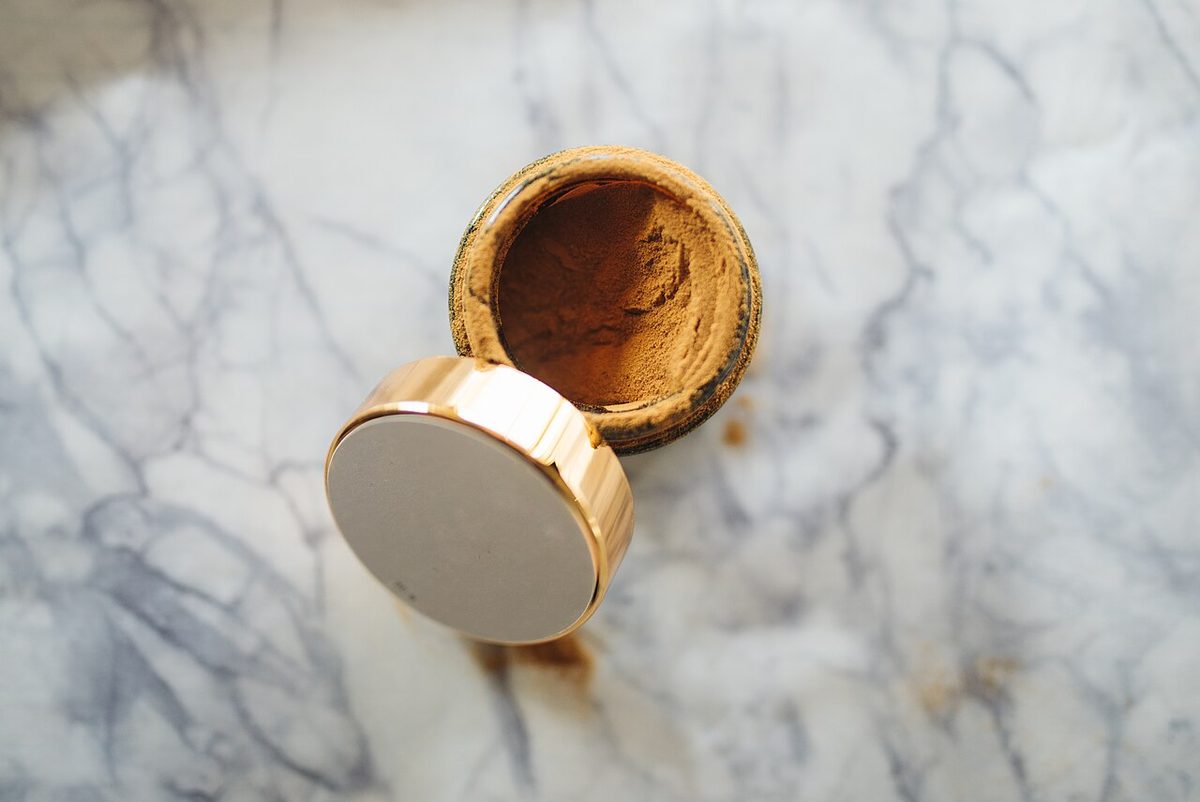
Collagen supplements are marketed everywhere for glowing skin, thicker hair, stronger nails, and healthier joints 1. This is one of the better-supported supplement trends: a growing body of research, including a 2026 umbrella review of 113 trials and nearly 8,000 participants, links hydrolyzed collagen to modest improvements in skin hydration, elasticity, and wrinkles 5. But the effects are moderate rather than miraculous, many studies are small or include other active ingredients, and the hair and nail evidence is thin 1. Here is a fair, evidence-based look.
What Is Collagen?
Collagen is the most abundant structural protein in the body, making up as much as 30 percent of your total protein and forming the framework of skin, cartilage, tendons, and bone 2. Your body's natural collagen production declines with age, which is what drives the supplement market 2. Most products contain hydrolyzed collagen, also called collagen peptides — short chains of amino acids that are easier to absorb than whole collagen — sourced from cattle, fish, or chicken and sold as powders, pills, gummies, and drinks 1. When you consume it, your body breaks it into amino acids and peptides rather than depositing it directly into your skin 1.
The Evidence for Skin
Skin is where collagen supplements have the strongest support 5. Multiple randomized controlled trials and meta-analyses have found that daily oral hydrolyzed collagen improves skin hydration and elasticity and reduces the appearance of wrinkles compared with placebo 5. The proposed mechanism is twofold: the supplement supplies amino acids like glycine and proline used to build collagen, and its bioactive peptides appear to signal skin cells to produce more collagen, elastin, and hyaluronic acid 2. Dermatologists describe these as modest improvements in skin integrity, and the effects tend to be stronger when collagen is combined with vitamin C 1.
The Evidence for Joints and Bone
Beyond skin, collagen shows promise for joints 1. Studies in athletes have linked supplemental collagen with reduced joint pain and faster recovery after injury, and reviews report improvements in joint stiffness, mobility, and function 2. There is also evidence for increased bone mineral density, particularly in postmenopausal women, at doses of roughly 5 to 10 grams a day 4. For osteoarthritis specifically, the evidence is more mixed, with some trials finding meaningful pain relief and others showing placebo-level effects 4. Overall, the joint and bone data are encouraging but still developing 1.
The Caveats
Several honest limitations temper the enthusiasm 1. Dermatologists at Harvard and Massachusetts General note that many of the skin trials are small, and crucially, many tested supplements that also contained other ingredients such as vitamin C or biotin, making it hard to isolate collagen's specific contribution 1. The research is also highly heterogeneous, with different sources, forms, and doses that resist direct comparison, and no single type has been shown to be clearly superior 5. Evidence for hair and nails remains limited, and more research is needed there 1. Some studies are also industry-funded, which warrants a degree of caution 1.
Is It Safe?
The reassuring news is that collagen is considered safe to take daily and is generally well tolerated 1. Because it is essentially a protein supplement, side effects are uncommon 2. This relatively low risk is part of why many dermatologists take a neutral-to-mildly-positive stance: the downside is small, and the skin and joint evidence, while imperfect, is real 1. As with any supplement, quality varies between products, so third-party testing is worth looking for 5.
The Fair Bottom Line
Collagen supplements are one of the rare wellness trends where the science is genuinely supportive, if modest 5. The best evidence points to real but moderate improvements in skin hydration, elasticity, and wrinkles, and growing support for joint and bone health, especially in older adults 1. Just keep expectations realistic, look for products with added vitamin C and third-party testing, and remember the hair and nail claims are less proven — this is general information, not medical advice 1.
Related fact-checks on this site: [Castor Oil Packs Liver Detox](https://innumbra.com/post/castor-oil-packs-liver-detox-fact-check) and [Vagus Nerve Reset Oil Devices](https://innumbra.com/post/vagus-nerve-reset-oil-devices-fact-check).
Frequently Asked Questions
Do collagen supplements improve skin? Yes, modestly. Trials and a large 2026 review link hydrolyzed collagen to better skin hydration, elasticity, and fewer wrinkles 5.
Do they help joints? Growing evidence suggests reduced joint pain and improved function, plus bone density benefits, though osteoarthritis results are mixed 4.
Do collagen supplements work for hair and nails? The evidence here is limited, and experts say more research is needed 1.
Are collagen supplements safe? Yes. They are generally safe and well tolerated when taken daily 1.
Does eating collagen become skin collagen? Not directly; it is broken into amino acids and peptides that may support your body's own collagen production 1.
References
- https://www.nationalgeographic.com/premium/article/collagen-supplements-joints-wrinkles-skin-health
- https://pmc.ncbi.nlm.nih.gov/articles/PMC10102402/
- https://pubmed.ncbi.nlm.nih.gov/39021368/
- https://www.news-medical.net/health/Do-Collagen-Supplements-Work-Science-Backed-Benefits-for-Skin-Joints-and-Muscles.aspx
- https://topics.consensus.app/news/systematic-review-shows-collagen-supplementation-linked-to-moderate-improvements-in-skin-and-joint-health-evidence-review