The Neuroscience Behind That 'I've Been Here Before' Feeling
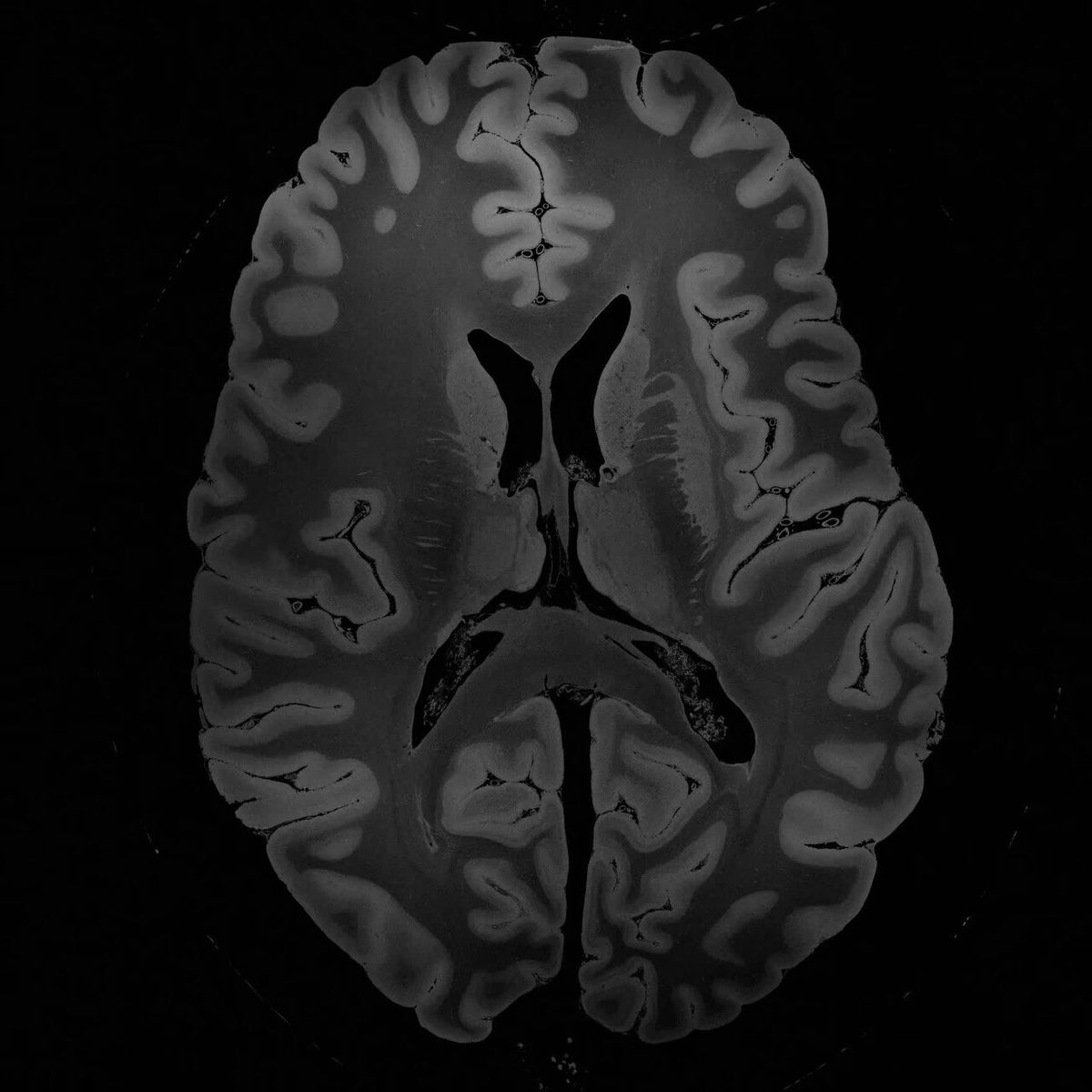
Déjà vu is the fleeting, uncanny sense that a situation which is objectively new has already been experienced before 1. It is remarkably common: surveys suggest roughly two-thirds of people report having experienced déjà vu at least once, with estimates across studies ranging from 60% to 97% 2. Far from being paranormal, current neuroscience links déjà vu to the temporal lobe — the brain's memory hub — and specifically to a brief mismatch between the systems that generate familiarity and those that retrieve actual memories 12. In fact, one leading view holds that déjà vu is a sign your memory's error-checking is working, not failing 3.
What Is Déjà Vu?
Déjà vu, French for "already seen," is the sudden feeling that a present, novel moment is a repeat of something you have lived through before 1. The experience is brief, involuntary, and usually accompanied by the simultaneous awareness that it cannot really be a memory 3. It has fascinated scientists and the public since the formal study of the phenomenon began in the late 19th century 1. Because it strikes without warning and cannot be reliably triggered, déjà vu is notoriously difficult to study directly in a laboratory 2.
How Common Is Déjà Vu?
Déjà vu is one of the most widespread quirks of human experience 1. According to multiple studies, approximately two-thirds of individuals report at least one episode in their lifetime 2. Broader surveys place the estimate anywhere from 60% to 97% of the general population, depending on how the question is asked 1. The experience tends to be more frequent in younger people and to decline with age 1. Its sheer universality is part of why it draws interest across neuroscience, psychology, and philosophy alike 1.
What Happens in the Brain During Déjà Vu?
Memory formation and retrieval are centered in the temporal lobe, which houses the hippocampus and nearby structures crucial for recognizing familiarity 2. The leading neurological explanation is that déjà vu arises when the parahippocampal region — which signals familiarity — activates briefly and inappropriately, without the hippocampus supplying an actual matching memory 1. This "decoupled" processing produces the core sensation of déjà vu: something feels familiar, yet no real recollection accompanies it 1. Researchers using implanted electrodes have found that stimulating the rhinal cortex, deep in the temporal lobe, can directly induce the experience 1.
What Does Temporal Lobe Epilepsy Reveal?
Much of what scientists know about déjà vu comes from studying temporal lobe epilepsy (TLE) 2. Some patients with TLE report intense déjà vu immediately before a seizure, where it acts as a kind of warning aura 2. Because seizures involve abnormal electrical activity in temporal lobe structures, these cases suggest that déjà vu may result from a similar but far smaller, transient neural misfiring in healthy brains 2. Importantly, everyday déjà vu is not a sign of epilepsy in the vast majority of people who experience it 2.
Is Déjà Vu a Memory Error?
Contrary to popular belief, déjà vu may not be a malfunction at all 3. One influential model proposes that déjà vu occurs when temporal lobe regions signal that an experience is repeating, prompting the brain's frontal decision-making areas to fact-check that signal against genuine past experience 3. When the check finds no real prior event, you consciously register the mismatch — and that recognition is the déjà vu itself 3. By this account, déjà vu is evidence that the brain's error-correction is working well, catching a false familiarity signal before it becomes a false memory 3.
What Triggers Déjà Vu?
While no single cause is settled, several factors are associated with more frequent déjà vu 3. Fatigue and stress have both been identified as potential contributors 3. Laboratory work using virtual reality has shown that placing people in environments subtly resembling ones they have seen before can provoke the sensation, supporting the idea that partial familiarity is a key trigger 1. This sensitivity to small perceptual overlaps reflects how actively the brain reconstructs experience rather than recording it exactly 1.
Related fact-checks on this site: [Neuromyths Brain Myths](https://innumbra.com/post/neuromyths-brain-myths-fact-check) and [Manifesting 369 Method](https://innumbra.com/post/manifesting-369-method-fact-check).
Frequently Asked Questions
What is déjà vu? The sudden feeling that a new situation has already been experienced, even though you know it is objectively new 1.
How common is déjà vu? About two-thirds of people report experiencing it at least once, with estimates ranging from 60% to 97% 2.
What part of the brain causes déjà vu? The temporal lobe, especially the parahippocampal and rhinal regions that signal familiarity 1.
Is déjà vu dangerous? For most people, no. It is a normal experience, though frequent, intense déjà vu can be linked to temporal lobe epilepsy 2.
Is déjà vu a memory problem? Not necessarily — one leading theory holds it reflects the brain's fact-checking working correctly 3.