Fibermaxxing: Does the Viral Fiber Trend Actually Work?
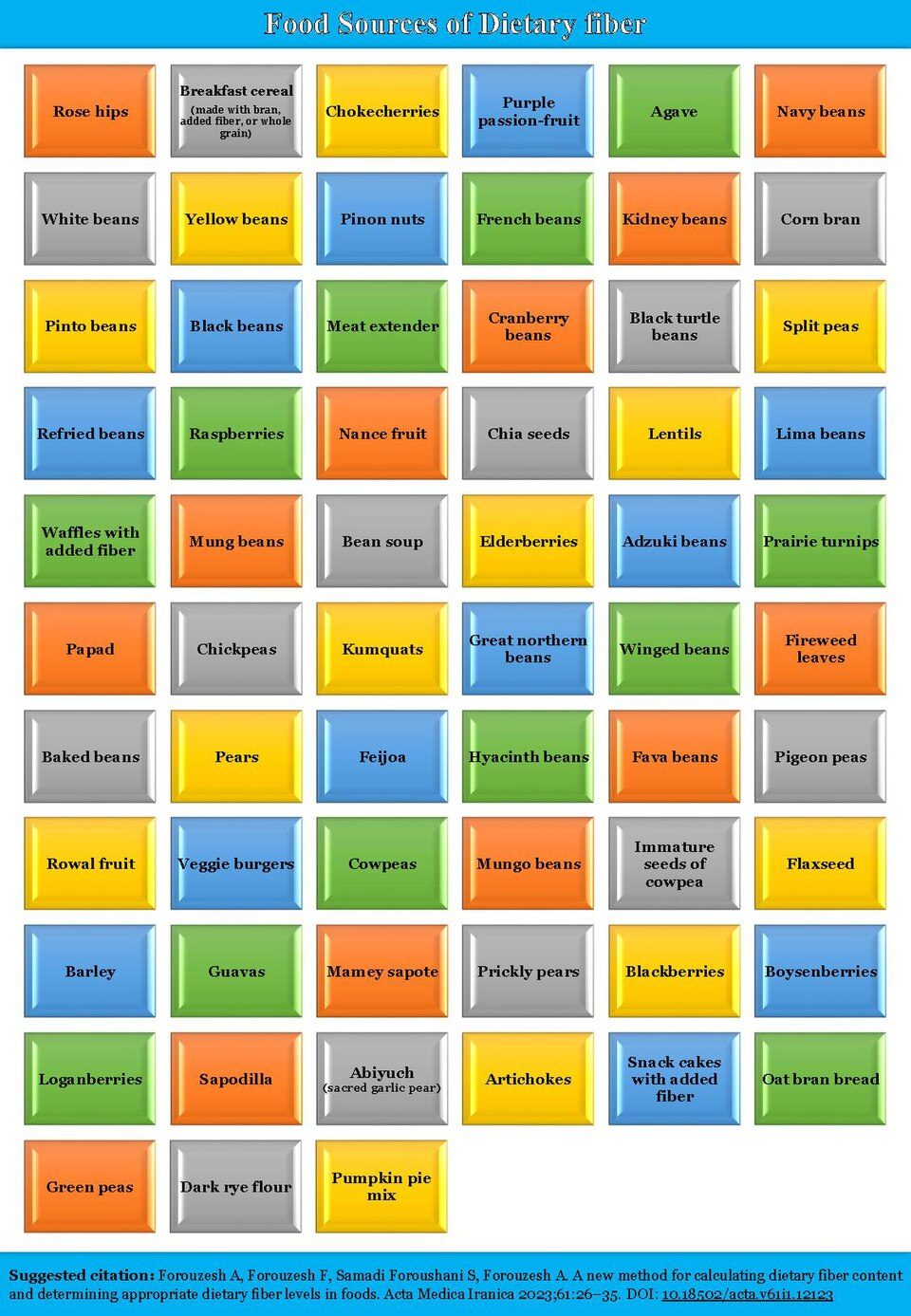
Fibermaxxing — deliberately loading up on fiber to hit or exceed your daily target — is one of the biggest gut-health trends on social media, and unlike most viral fads, it is mostly right 4. Fiber is genuinely one of the healthiest things people underconsume, with most getting only about 15 grams a day versus the roughly 25 to 38 grams recommended 5. The catch the videos tend to skip is that how you add fiber matters as much as the number, and overdoing it too fast can backfire 3. Here is a fair, evidence-based look.
What Is Fibermaxxing?
Fibermaxxing means intentionally eating a lot of fiber across the day, ideally by adding whole plant foods like beans, lentils, vegetables, fruit, and whole grains 3. It belongs to a family of "maxxing" trends built on the idea that if something is healthy, more must always be better 4. What makes fibermaxxing refreshing is that it is a wellness trend built on addition rather than restriction — piling foods in rather than cutting them out 3. It went viral because it taps into a real and well-documented nutritional gap in most people's diets 5.
Why the Trend Is Mostly Right
Fiber's benefits are among the best-established in nutrition, studied for decades 1. It supports digestion, feeds the beneficial bacteria in your gut that produce helpful compounds, and helps regulate blood sugar and cholesterol 2. A large research review in The Lancet found that as fiber intake rises, the risk of dying early and of chronic diseases falls, with the biggest gains coming from reaching about 25 to 29 grams a day 4. Consistently low fiber intake, by contrast, contributes to metabolic and cardiovascular problems including diabetes and obesity 2. Since most people fall well short, the core message of fibermaxxing is genuinely sound 5.
The Catch the Videos Skip
The problem is the "maxxing" mindset 3. Adding too much fiber too quickly — jumping from 15 grams to 40 or 50 overnight — invites exactly the symptoms people are trying to avoid: gas, bloating, cramping, and even constipation 3. Both the Mayo Clinic and Cleveland Clinic warn against sudden increases and advise ramping up gradually over a few weeks so your gut bacteria can adjust 3. Water matters too, because fiber works by absorbing it, so a fiber surge without enough fluid can backfire into constipation rather than relief 3. As one gastroenterologist frames it, take a "couch to 5k" approach and build up slowly 3.
More Is Not Always Better
The extreme end of the trend misses the point 3. Some influencers push 70, 80, or even 90 grams of fiber a day, but for people not accustomed to it, that can cause significant digestive distress, and very high intakes may interfere with the absorption of minerals like iron and zinc 3. The goal should be meeting your fiber needs, not maxing them out — bodies function best with balanced, gradual changes rather than extremes 3. Increasing fiber by roughly three to five grams every couple of days is a sustainable pace 3.
Food Versus Powders
An important detail is where the fiber comes from 3. The research supporting fiber's benefits was largely done on fiber from whole foods, not supplement powders, which the studies mostly did not evaluate 3. Whole plant foods also deliver vitamins, minerals, and a diversity of fiber types that a single scoop cannot replicate 3. If you do use a supplement, the Cleveland Clinic advises not exceeding about 50 grams of supplemental fiber a day 3. People with conditions like irritable bowel syndrome, diverticulitis, or a history of bowel obstruction should check with a healthcare professional before ramping up 1.
The Fair Bottom Line
Fibermaxxing is that rare viral trend that is largely correct: most people genuinely need more fiber, and adding whole plants is one of the most reliable things you can do for your gut and long-term health 1. The pitfalls are the "maxxing" framing itself — going too fast, chasing extreme numbers, or relying on powders instead of food 3. Stripped of the branding, the advice is simply to eat more whole plants, add them gradually, and drink water 3. This is general information, not medical advice 1.
Related fact-checks on this site: [Castor Oil Packs Liver Detox](https://innumbra.com/post/castor-oil-packs-liver-detox-fact-check) and [Vagus Nerve Reset Oil Devices](https://innumbra.com/post/vagus-nerve-reset-oil-devices-fact-check).
Frequently Asked Questions
Is fibermaxxing healthy? Mostly yes. Fiber is under-consumed and well-supported by research, so eating more whole-plant fiber is genuinely beneficial 5.
How much fiber should I eat? Roughly 25 to 38 grams a day, though most people get only about 15 grams 5.
Can you eat too much fiber? Yes. Very high intakes, around 70 grams or more, can cause digestive distress and interfere with mineral absorption 3.
How do I add fiber safely? Gradually, by about 3 to 5 grams every couple of days, with plenty of water so your gut can adjust 3.
Is it better to get fiber from food or supplements? Food. The evidence is strongest for whole-food fiber, which also provides other nutrients 3.
References
- https://mcpress.mayoclinic.org/nutrition-fitness/fibermaxxing-is-this-tiktok-trend-good-for-you/
- https://www.sciencedaily.com/releases/2026/03/260307213252.htm
- https://www.npr.org/2026/05/18/nx-s1-5821598/fibermaxxing-healthy-fiber-foods-diet-benefits
- https://time.com/article/2026/03/25/what-fibermaxxing-gets-wrong-about-fiber/
- https://www.uhhospitals.org/blog/articles/2026/04/fibermaxxing-is-more-fiber-always-better