The Gut-Brain Axis: The Science Explained
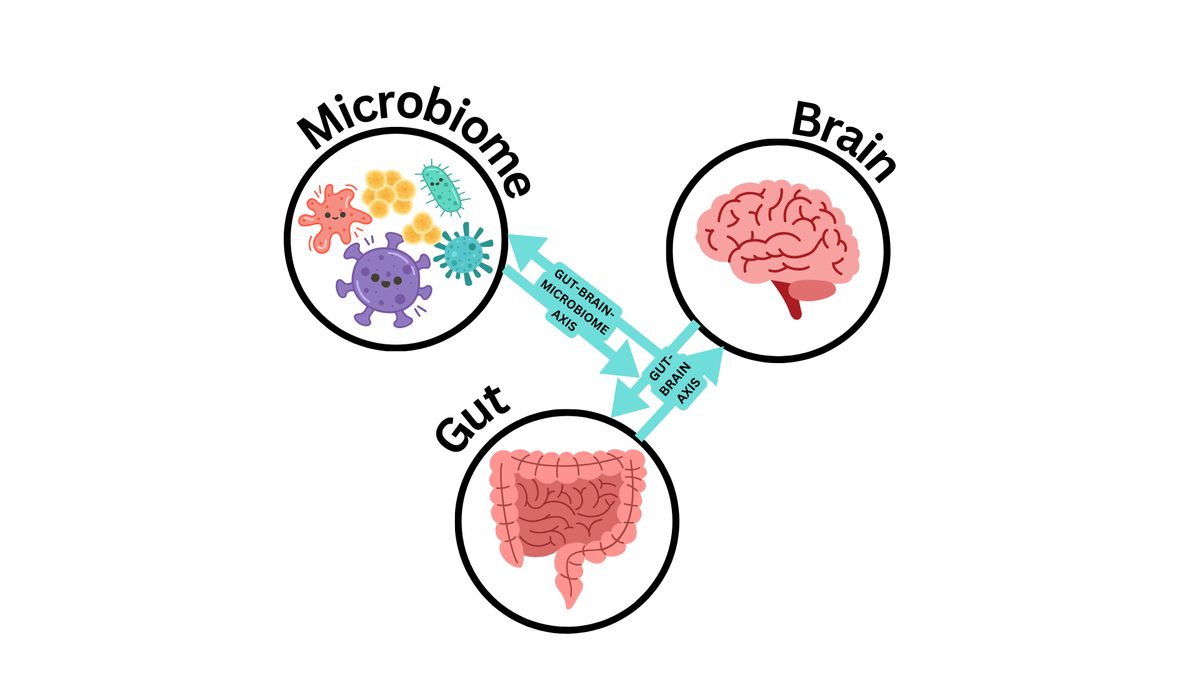
The gut-brain axis is the bidirectional communication network that links your digestive system and its resident microbes to your central nervous system 1. This constant two-way signaling runs through neural, hormonal, and immune pathways — and one striking fact anchors it: roughly 90% of the body's serotonin, a key mood-related neurotransmitter, is produced in the gut rather than the brain 2. The vagus nerve serves as the main highway carrying messages between the two 3. While the science is advancing quickly, much of the strongest evidence still comes from animal studies, so it is important to separate what is established from what is still emerging 3.
What Is the Gut-Brain Axis?
The gut-brain axis is a complex, bidirectional communication system connecting the gastrointestinal tract and the central nervous system 2. It integrates signals across several channels at once: neural connections, hormones, and immune-system messengers 2. Crucially, this communication runs in both directions — the brain influences the gut, and the gut influences the brain 3. The trillions of microbes living in the digestive tract, collectively the gut microbiota, are now understood to be active participants in this conversation 3.
How Does the Gut Talk to the Brain?
The primary neural route of the gut-brain axis is the vagus nerve, one of the longest cranial nerves, which relays signals from the gut to the brain and back 2. Alongside it, the axis uses the hypothalamic-pituitary-adrenal (HPA) axis — the body's central stress-response system — and immune signaling through inflammatory molecules 3. Gut microbes and their metabolites can signal directly to the vagus nerve through specialized cells in the gut lining 3. In this way, chemical messages generated deep in the digestive system reach the brain and can influence mood, stress, and behavior 3.
What Role Do Gut Bacteria Play?
Gut bacteria are surprisingly capable chemists: they can produce most of the neurotransmitters found in the human brain, including serotonin, dopamine, and GABA 3. Certain probiotic strains influence mood by promoting the production of these signaling molecules and their precursors 3. Microbial byproducts called short-chain fatty acids also enhance serotonin synthesis and support vagus nerve activity 2. In animal experiments, some beneficial bacteria lose their calming effects entirely when the vagus nerve is cut — direct evidence that this nerve is a key communication route 3.
Why Is Serotonin So Important Here?
Serotonin sits at the center of the gut-brain axis 2. About 90% of the body's serotonin is synthesized in the gut, primarily by specialized cells in the intestinal lining 2. This gut-derived serotonin regulates local functions like digestion and gut movement, but it also activates vagal signals that reach brain regions involved in emotion and stress regulation 2. Because gut microbes help control the metabolism of tryptophan — serotonin's building block — the microbiome has real influence over this critical neurotransmitter system 2.
Is the Gut-Brain Axis Linked to Mental Health?
Research increasingly connects the gut-brain axis to conditions such as anxiety and depression 1. Studies have found differences in gut microbiome composition among people with depression, and the vagus nerve appears necessary for some therapies to work 2. This has driven interest in "psychobiotics" — probiotics aimed at mental well-being 3. However, an honest caveat matters here: much of the most compelling evidence comes from animal models, and direct, well-controlled human studies are still limited 3. The link is real and promising, but not yet a settled basis for treatment 3.
How Can You Support a Healthy Gut-Brain Axis?
Because diet strongly shapes the microbiome, what you eat is one of the clearest levers on the gut-brain axis 1. Diets rich in fiber feed the bacteria that produce beneficial short-chain fatty acids 2. Beyond diet, factors including stress, exercise, sleep, and social interaction all influence the microbiome-gut-brain relationship 1. These are general wellness principles supported by current science rather than specific medical prescriptions, and anyone with health concerns should consult a professional 1. The broad message is simple: gut health and brain health are genuinely intertwined 3.
Related fact-checks on this site: [Bryan Johnson Blueprint](https://innumbra.com/post/bryan-johnson-blueprint-fact-check) and [Resveratrol Longevity](https://innumbra.com/post/resveratrol-longevity-fact-check).
Frequently Asked Questions
What is the gut-brain axis? The two-way communication network linking the gut and its microbes to the central nervous system 2.
How do the gut and brain communicate? Mainly through the vagus nerve, plus hormonal and immune pathways 2.
Is most serotonin made in the gut? Yes — about 90% of the body's serotonin is produced in the gut 2.
Can gut bacteria affect mood? Research suggests they can, though much evidence is still from animal studies 3.
How can I support my gut-brain axis? A fiber-rich diet, good sleep, exercise, and stress management all support the microbiome 1.