Do NMN and NAD+ Supplements Actually Slow Aging?
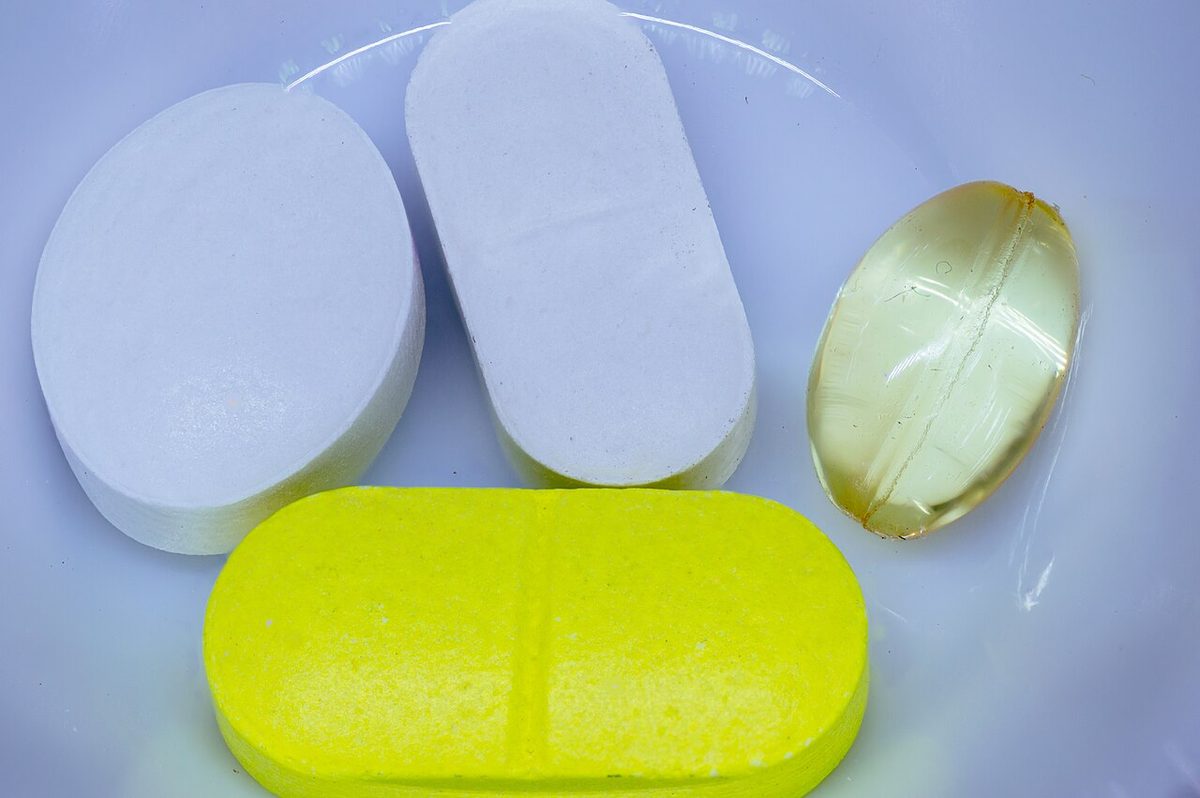
NMN and NAD+ supplements have become the flagship products of the booming longevity industry, promising to slow aging, restore cellular energy, and add years of healthy life 3. The underlying biology is real — NAD+ is essential to your cells and declines with age — and human trials confirm that precursors like NMN can raise NAD+ levels safely in the short term 2. But the leap from "raises NAD+" to "slows aging" is not supported by human evidence, and scientists say these should be treated as experimental, not proven anti-aging therapies 1. Here is a fair look.
What Are NMN and NAD+?
NAD+, or nicotinamide adenine dinucleotide, is a molecule every cell uses for energy production and DNA repair, and its levels in blood, muscle, and other tissues decline as we age 2. That decline led researchers to ask whether restoring NAD+ could slow aging 2. Taking NAD+ directly does not work well, because it is largely broken down in the gut before absorption, so scientists instead study its precursors — nicotinamide mononucleotide (NMN) and nicotinamide riboside (NR) — which the body converts into NAD+ 3. These precursors are what most rigorous trials actually test 3.
What the Human Evidence Shows
The honest summary is "promising biology, unproven benefits" 1. Human clinical trials consistently show that oral NMN and NR do raise NAD+ levels, confirming the supplements hit their biological target 4. Some small studies report modest improvements in metabolic markers, such as insulin sensitivity and arterial stiffness, in middle-aged adults 1. But when researchers look at the outcomes that actually matter for aging — strength, cognition, frailty, muscle mass, or "biological age" — the evidence becomes unclear and inconsistent 4. Recent reviews found no convincing evidence that NMN or NR preserve muscle in older adults, and there is no human data showing they extend lifespan or prevent age-related disease 4.
Why the Longevity Claims Outrun the Science
A core problem is timescale 4. Aging unfolds over decades, while nearly all supplement trials last only weeks or months, so they simply cannot measure whether a product makes you live longer 4. Most of the dramatic anti-aging findings come from rodent studies, where NAD+ boosting improves many measures, but those results have not reliably translated to humans 1. As one researcher put it, an influencer culture aggressively promoting NAD+ is now interfering with the ability to do rigorous science 3. That is why experts describe NAD+ precursors as experimental adjuncts rather than established anti-aging therapies 1.
What About Safety?
The reassuring news is that short-term safety looks good 3. Across randomized trials, NMN and NR have been well tolerated, with mostly mild side effects such as minor gastrointestinal symptoms, and researchers describe the safety profile as remarkable so far 3. One caveat comes from animal studies, where raising NAD+ has raised theoretical concerns about feeding tumor growth, though this has not been seen in human research; long-term risks remain unknown until multi-year trials are done 3. Doses studied have generally ranged from 250 to 500 milligrams daily over 8 to 12 weeks 2.
The Marketplace Problem
Much of what is sold does not match what has been studied 3. Oral NAD+ itself is widely marketed despite being poorly absorbed, and NAD+ IV infusions offered at wellness clinics can cost from a few hundred to over a thousand dollars per session, with no published data from well-controlled human studies on the injectables 3. Pills range from around thirty to over eighty dollars, and independent testing has found considerable variability in quality, with label claims that do not always match what is actually in the bottle 3. NMN has also faced regulatory scrutiny in the United States since late 2022 2. Buyers are often paying premium prices for products the science has barely evaluated 3.
The Fair Bottom Line
NMN and NAD+ supplements sit in an interesting middle ground: the biology is legitimate and short-term safety appears good, but the sweeping anti-aging promises are not backed by human evidence 1. At best, current data suggest modest metabolic effects in some people; at worst, buyers overpay for unregulated or unstudied products 3. If you are curious, cautious optimism and a conversation with a doctor make more sense than the marketing's certainty — and this is general information, not medical advice 4.
Related fact-checks on this site: [Castor Oil Packs Liver Detox](https://innumbra.com/post/castor-oil-packs-liver-detox-fact-check) and [Vagus Nerve Reset Oil Devices](https://innumbra.com/post/vagus-nerve-reset-oil-devices-fact-check).
Frequently Asked Questions
Do NMN supplements slow aging? There is no human evidence that they extend lifespan or reverse aging; benefits so far are modest and metabolic 14.
Are NMN and NAD+ supplements safe? Short-term trials show good tolerability with mostly mild side effects, but long-term safety is not yet established 3.
Why do scientists study NMN instead of NAD+? Oral NAD+ is poorly absorbed, so precursors like NMN and NR are used to raise NAD+ levels 3.
Are NAD+ IV drips worth it? There is no well-controlled human data supporting the injectables, which can cost hundreds to over a thousand dollars 3.
What does the research actually show? NMN and NR reliably raise NAD+ and may modestly help metabolism, but effects on strength, cognition, and lifespan are unproven 4.
References
- https://www.sciencedirect.com/science/article/pii/S1568163726000498
- https://www.ncbi.nlm.nih.gov/pmc/articles/PMC10721522/
- https://www.npr.org/2026/05/11/nx-s1-5813664/nad-infusions-supplements-longevity-science
- https://theconversation.com/can-supplements-containing-nmn-nad-and-resveratrol-really-slow-ageing-heres-what-the-evidence-says-282524
- https://www.nature.com/articles/d42473-022-00002-7