The Placebo Effect: How Belief Alone Can Ease Real Symptoms
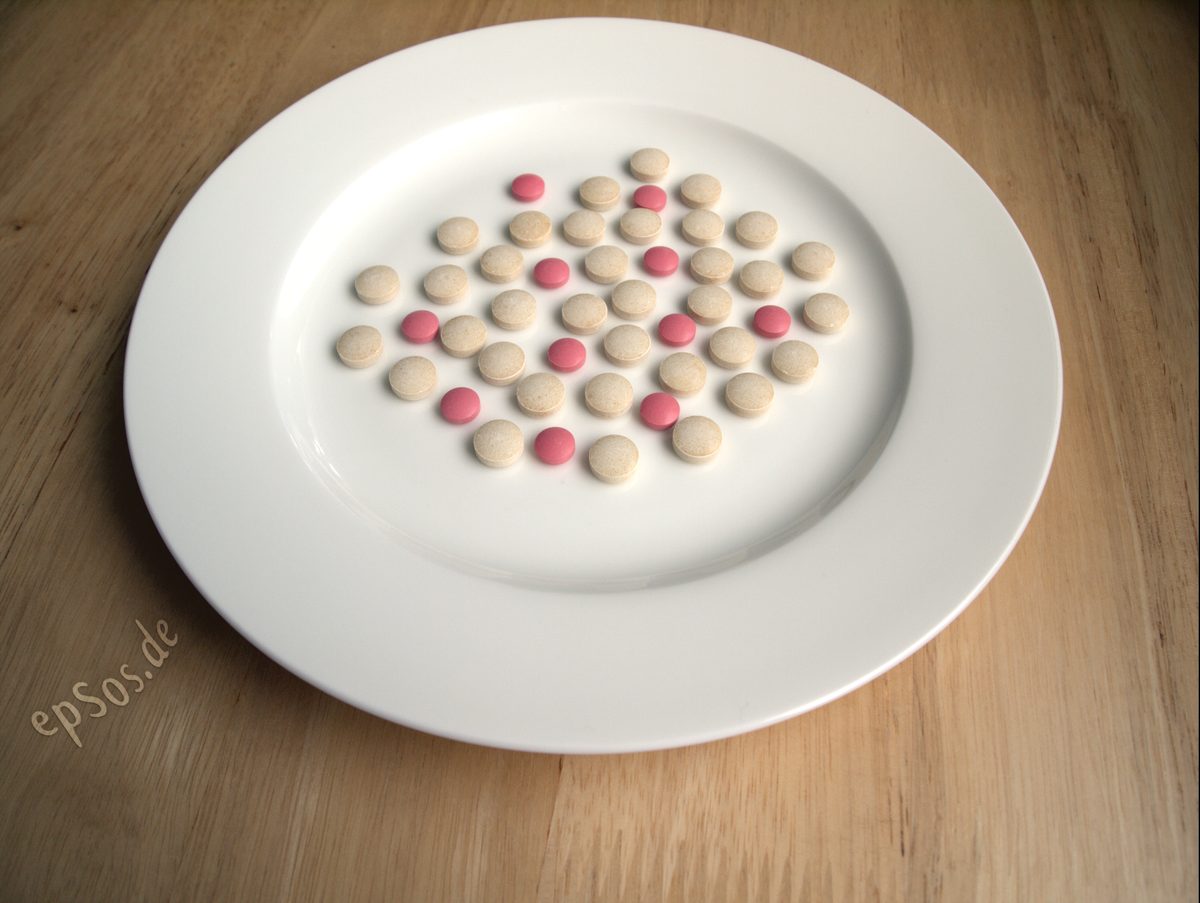
The placebo effect is a genuine, measurable improvement in symptoms produced by an inert treatment — a sugar pill, a saline injection, or a sham procedure — driven by a person's expectations rather than any active ingredient 1. As researchers put it, a placebo lies not in the drug itself but in the patient's own mind and brain 2. Its darker twin, the nocebo effect, works in reverse: negative expectations can produce real adverse symptoms, appearing in roughly 10% of clinical-trial participants and up to about 19% of healthy volunteers in controlled studies 3. Far from being "all in your head" in a dismissive sense, these effects engage concrete brain systems and shape how we experience pain, fatigue, and mood 2.
What Is the Placebo Effect?
The placebo effect is a beneficial response to a treatment that has no active therapeutic ingredient 1. It has been documented across a wide range of conditions, including pain, Parkinson's disease, depression, anxiety, and addiction 3. Crucially, the effect is strongest for subjective and symptom-based outcomes — how much pain or fatigue a person feels — rather than for curing underlying disease 3. The central driver is expectation: when a person believes a treatment will help, that belief itself can trigger real physiological changes 2.
How Does the Placebo Effect Work in the Brain?
Placebo responses are not imaginary; they correspond to identifiable brain activity 2. Neuroimaging shows that placebo treatments can decrease activity in brain regions that process pain signals, while increasing activity in prefrontal regions that regulate pain 3. They also engage brainstem circuits that exert "descending control" over incoming pain 3. On a chemical level, placebo responses have been linked to the release of the brain's own dopamine, endogenous opioids, and endocannabinoids — the same systems targeted by many real medications 3. In other words, belief can recruit the body's built-in pharmacy 2.
What Is the Nocebo Effect?
The nocebo effect is the placebo effect's negative counterpart 2. When a person expects harm — such as anticipating side effects after reading a warning label — that expectation can produce real, unpleasant symptoms even from an inert substance 2. Studies estimate the nocebo effect appears in about 10% of clinical-trial participants, and in as many as 19% of healthy volunteers in controlled trials 3. This matters in medicine because negative expectations can worsen outcomes and cause patients to abandon effective treatments 2. Understanding nocebo responses is now a serious focus of clinical research 2.
Do Placebos Work Even When You Know They're Fake?
Surprisingly, yes — this is one of the most striking findings in the field 1. Researchers first observed in 1965 that patients improved even when told they were taking inert sugar pills, and a landmark 2010 study confirmed strong effects of "open-label placebos" in irritable bowel syndrome 3. A systematic review and meta-analysis found a significant overall benefit of open-label placebos compared with no treatment 3. These honest placebos, which involve no deception, have shown benefits in conditions including chronic back pain, cancer-related fatigue, ADHD, allergic rhinitis, and depression 3. This challenges the old assumption that a placebo only works if the patient is fooled 1.
What Conditions Respond to Placebos?
Placebo responses are especially well documented for symptoms tied to perception and the nervous system 3. In one randomized trial, cancer survivors given open-label placebos saw fatigue and quality of life improve by nearly 30 to 40% 2. In another, adults with chronic back pain who received an open-label saline injection reported meaningful improvements in pain, mood, and sleep, alongside measurable changes in pain-regulating brain circuits 3. Even some sham surgical procedures have produced effects comparable to real interventions for certain pain and neurological conditions 3. The common thread is that these are conditions where the brain's interpretation of signals plays a large role 3.
What Are the Limits of the Placebo Effect?
It is important to be clear about what placebos can and cannot do 3. They can ease how symptoms are experienced — reducing perceived pain, fatigue, or distress — but they do not cure infections, shrink tumors, or replace necessary medical treatment 3. Much of the open-label placebo research is still emerging, and effects vary widely between individuals and conditions 3. This article is educational and not medical advice; anyone facing a health decision should consult a qualified professional 1. The honest takeaway is that expectation is a real and powerful part of healing — a complement to medicine, not a substitute for it 2.
Related fact-checks on this site: [Bryan Johnson Blueprint](https://innumbra.com/post/bryan-johnson-blueprint-fact-check) and [Resveratrol Longevity](https://innumbra.com/post/resveratrol-longevity-fact-check).
Frequently Asked Questions
What is the placebo effect? A real improvement in symptoms from an inert treatment, driven by a person's expectations 1.
Is the placebo effect real? Yes. It engages measurable brain activity and the body's own dopamine and opioid systems 3.
What is the nocebo effect? The negative version, where expecting harm produces real adverse symptoms 2.
Do placebos work if you know they're fake? Research on "open-label placebos" shows they can, in conditions like back pain and IBS 3.
Can placebos cure disease? No. They ease symptoms and perception but do not cure underlying illness 3.