Are Seed Oils Toxic? A Fact-Check
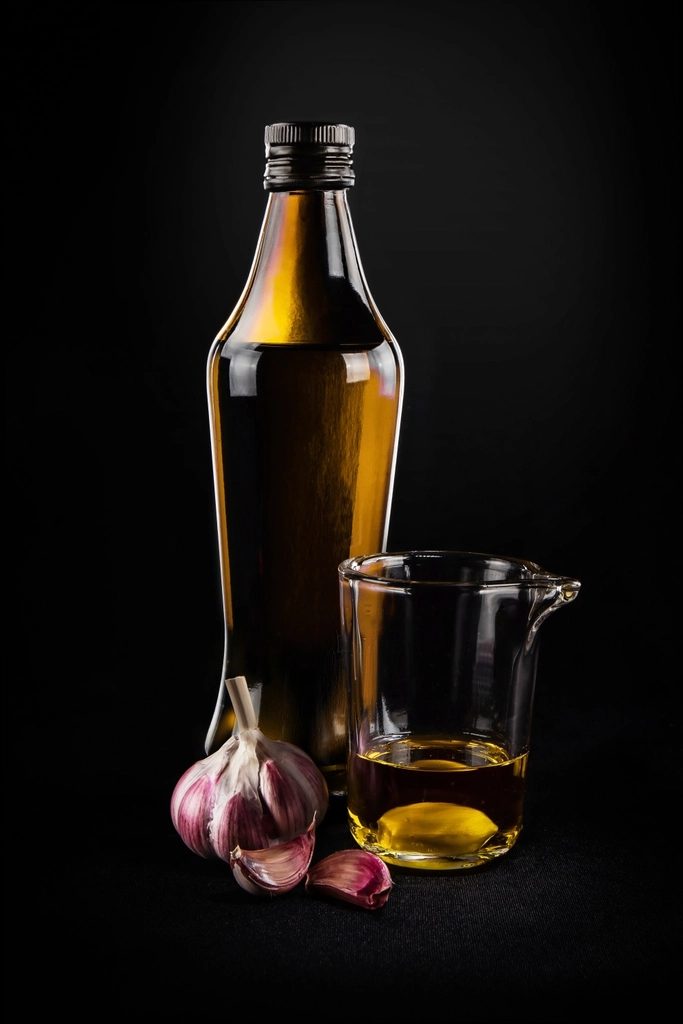
Seed oils like canola, sunflower, soybean, and corn oil have become the most demonized items in the kitchen, with wellness influencers calling them "toxic" and blaming them for inflammation, heart disease, and obesity 1. But the scientific evidence points the opposite way: major health institutions including Harvard and Johns Hopkins conclude that seed oils are safe and even beneficial, and a Harvard review of 38 studies covering more than 810,000 people found no evidence that they cause harmful chronic inflammation 23. Here is a fair, evidence-based look at the claim.
What Is the Seed Oil Claim?
The core claim is that seed oils are loaded with omega-6 fatty acids that trigger chronic inflammation, drive disease, and quietly damage the body 3. Proponents also argue that the way these oils are made — using heat and chemical solvents — makes them toxic 1. Apps and social media accounts now exist solely to help people avoid restaurants that cook with them, and the fear has grown intense enough that some public figures single the oils out by name 3. So it is worth asking what rigorous nutrition science actually shows 1.
What Are Seed Oils?
Seed oils are fats pressed or extracted from plant seeds, including canola, sunflower, safflower, soybean, corn, and grapeseed 1. They are naturally rich in polyunsaturated fat, particularly an omega-6 fatty acid called linoleic acid 3. This is the heart of the controversy, because omega-6 fatty acids sit at the center of the inflammation theory 1. Importantly, both omega-6 and omega-3 are "essential" fatty acids, meaning the human body cannot make them and must get them from food 1.
Why the Inflammation Theory Fails
The theory goes that linoleic acid is converted in the body into arachidonic acid, a building block for inflammatory compounds 1. But this argument breaks down on the details 1. Only about 0.2 percent of dietary linoleic acid is actually converted to arachidonic acid, and arachidonic acid also produces compounds that fight and resolve inflammation 1. When researchers tested the claim directly, a 2017 meta-analysis of randomized controlled trials found that increasing linoleic acid intake had no significant effect on inflammatory markers in the blood 1. As Harvard nutrition professor Walter Willett notes, dozens of studies have looked at this, with about half showing no effect and the other half showing reduced inflammation 2.
What the Large Studies Actually Show
Far from causing disease, seed oils are associated with better health outcomes 3. A Johns Hopkins nutrition scientist found that people with the highest blood levels of linoleic acid had a 35 percent lower risk of developing type 2 diabetes than those with the lowest levels 3. Broader analyses link higher linoleic acid to lower systemic inflammation, lower cardiovascular risk, and lower overall mortality 3. The American Heart Association supports including omega-6 fats in the diet, and evidence suggests they help lower cholesterol and blood sugar 2. Replacing saturated fats like butter and lard with seed oils is considered a heart-healthy swap 2.
What About Processing and Hexane?
Concerns about chemical processing are also overstated 1. Hexane is used as a solvent to extract some seed oils, but it is removed during refining, and the trace amounts that remain are far below safety limits — often less than what occurs naturally in other foods 1. Refined seed oils also have high smoke points, which makes them more stable for high-heat cooking than some unrefined oils 1. The processing that concerns people does not leave a toxic product behind 1.
The Real Issue: Correlation vs. Ultra-Processed Food
Much of the fear comes from a classic mistake: confusing correlation with causation 4. Rates of obesity and chronic disease have risen alongside seed oil consumption, but the two rising together does not mean one causes the other 4. Seed oils are extremely common in ultra-processed junk foods, and researchers point out that heavy consumption of those processed foods — not the oils themselves — is the real driver of poor health 2. Blaming the oil misses the actual problem on the plate 4.
A Fair Nuance
None of this means seed oils are a magic health food, and honest science includes some caveats 4. It is genuinely beneficial to get enough omega-3 fats, which many modern diets lack, and a diet extremely high in omega-6 with very little omega-3 is not ideal 1. Like all oils, seed oils are calorie-dense, so they are best used in reasonable amounts as part of a balanced diet 4. But "use in moderation" is very different from "toxic," and the evidence simply does not support avoiding them out of fear 3. This is general information, not medical advice; for personalized guidance, talk to a doctor or registered dietitian 4.
Related fact-checks on this site: [Castor Oil Packs Liver Detox](https://innumbra.com/post/castor-oil-packs-liver-detox-fact-check) and [Vagus Nerve Reset Oil Devices](https://innumbra.com/post/vagus-nerve-reset-oil-devices-fact-check).
Frequently Asked Questions
Are seed oils toxic? No. Major health bodies including Harvard, Johns Hopkins, and the American Heart Association consider them safe and beneficial 23.
Do seed oils cause inflammation? Current evidence, including a review of 38 studies and over 810,000 people, does not support the claim that they cause chronic inflammation 3.
Is the hexane used in processing dangerous? No. It is removed during refining, leaving only trace amounts far below safety limits 1.
Are seed oils healthier than butter? Yes. Replacing saturated fats like butter and lard with seed oils is considered a heart-healthy choice 2.
So what's the real health concern? Heavy consumption of ultra-processed foods that contain seed oils, not the oils themselves 2.
References
- https://www.massgeneral.org/news/article/seed-oils-facts-myths
- https://hsph.harvard.edu/news/are-seed-oils-healthful-or-harmful/
- https://publichealth.jhu.edu/2025/the-evidence-behind-seed-oils-health-effects
- https://www.bhf.org.uk/informationsupport/heart-matters-magazine/news/behind-the-headlines/seed-oils