Randall Carlson and the Younger Dryas
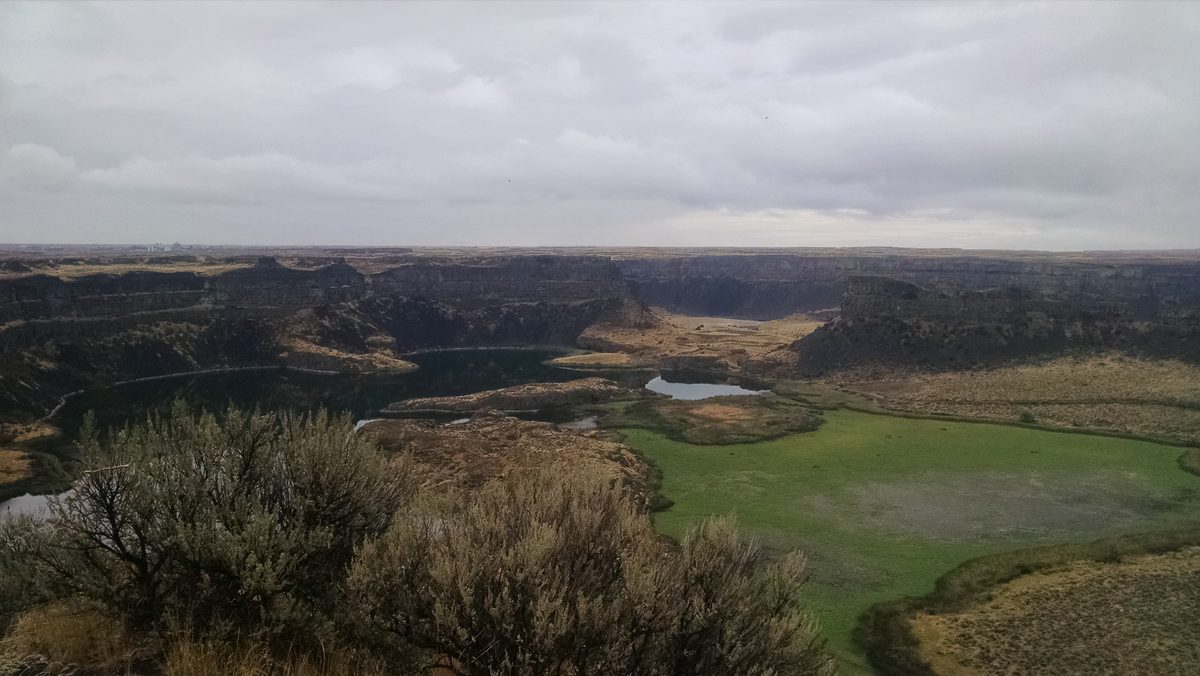
Randall Carlson is a self-taught catastrophist researcher known for his Joe Rogan appearances and his field tours of the Ice Age flood landscapes of the American Northwest 1. He argues that a comet struck around 12,800 years ago, triggering the Younger Dryas cold period, mass extinctions, and catastrophic floods — a narrative often extended toward the idea of a destroyed advanced civilization 1. This case is more nuanced than most: some of what Carlson teaches is genuinely sound geology, the comet hypothesis is a real but contested scientific minority view, and the lost-civilization leap is not supported by the evidence 1. Separating these three tiers is the key to fact-checking him fairly.
Who Is Randall Carlson?
Randall Carlson is a researcher and speaker who focuses on ancient catastrophes, sacred geometry, and Ice Age geology 1. He is best known to the public through his appearances on The Joe Rogan Experience, often alongside Graham Hancock, and for guided expeditions through the Channeled Scablands of eastern Washington 1. He is associated with the Comet Research Group, which promotes the Younger Dryas Impact Hypothesis and hosts conferences on the topic 1. Carlson is not a credentialed academic geologist, but he has spent decades studying flood landforms in the field 1.
What Carlson Gets Right
It is important to be fair about the substantial real science in Carlson's work 1. The Channeled Scablands are genuinely catastrophic landforms: between roughly 18,000 and 13,000 years ago, an ice dam holding glacial Lake Missoula repeatedly failed, unleashing floods of staggering scale 1. Peak discharges have been estimated at around 17 million cubic meters per second, stripping bedrock across thousands of square kilometers 1. Geologist J Harlen Bretz proposed this in 1923 and was ridiculed for decades before being vindicated 1. When Carlson reads flood deposits and giant current ripples in this terrain, he is doing real, valuable geological education 1.
The Younger Dryas Is Also Real
The Younger Dryas itself is a well-established event, not a fringe idea 1. Around 12,800 years ago, temperatures in the Northern Hemisphere dropped sharply — possibly within decades — and remained cold for roughly 1,200 years 1. This period coincided with the extinction of many large Ice Age animals and significant changes in early human cultures 2. So the backdrop to Carlson's claims — dramatic climate upheaval at the end of the Ice Age — is solid science 1. The disagreement is about the cause, and about how much devastation followed 2.
The Contested Part: Did a Comet Cause It?
Here the science becomes genuinely debated 1. The Younger Dryas Impact Hypothesis, proposed formally in 2007, argues that a comet airburst or impact triggered the cooling, the extinctions, and the decline of the Clovis culture 1. Soon after publication, several scientists could not replicate the key evidence, and the wider community largely rejected the idea 1. Proponents counter that many independent studies have since reproduced supporting evidence at dozens of sites 1. Meanwhile, the most widely accepted explanation for the cooling is a freshwater release — glacial meltwater flooding the North Atlantic and disrupting ocean circulation — not an impact 1. This remains a live, unsettled dispute rather than a closed case.
Where the Claims Overreach
Carlson's difficulties begin when he extends catastrophism well beyond the evidence 2. He attributes many additional landforms — drumlin fields, deep Great Lakes basins — to comet-driven megafloods, going further than the accepted Missoula-floods explanation 1. The larger leap, often made in his collaborations, is the suggestion that this cataclysm wiped out an advanced lost civilization 2. That claim runs into a hard problem: the archaeological record shows human continuity through the Younger Dryas 2. A 2026 analysis of more than 135,000 Paleoindian projectile points found that populations did not collapse at the transition — instead, people moved south, adapted, and thrived 2. The catastrophe was real, but no lost civilization vanished with it 2.
So How Should You Weigh Randall Carlson?
Carlson is best understood as a knowledgeable enthusiast whose foundation is partly solid and partly speculative 1. His Scablands geology is genuinely educational, and the Younger Dryas is real, which gives his presentations real credibility 1. But the comet hypothesis he champions is unproven and contested, and the lost-civilization narrative is contradicted by the evidence of human survival 2. The honest takeaway is to enjoy the real geology, treat the impact hypothesis as an open scientific question rather than established fact, and set aside the claim that an advanced civilization was erased 2.
Related fact-checks on this site: [Star Forts Lost Technology](https://innumbra.com/post/star-forts-lost-technology-fact-check) and [Worlds In Collision Velikovsky](https://innumbra.com/post/worlds-in-collision-velikovsky-fact-check).
Frequently Asked Questions
Who is Randall Carlson? A self-taught catastrophist researcher known for Joe Rogan appearances and Ice Age flood geology tours 1.
Are the Missoula floods real? Yes. Catastrophic Ice Age floods from glacial Lake Missoula are well-established and accepted science 1.
Is the Younger Dryas Impact Hypothesis proven? No. It is a genuinely contested minority hypothesis; the mainstream trigger for the cooling is freshwater release, not a comet 1.
Did a comet destroy a lost civilization? There is no evidence for this; the archaeological record shows humans survived and thrived through the Younger Dryas 2.
Is Randall Carlson a scientist? He is not a credentialed academic geologist, though he has decades of field study of flood landforms 1.